

Understanding the psychology of risk in gambling decisions
The Nature of Risk in Gambling
Gambling inherently involves risk, a concept that plays a crucial role in decision-making for players. The thrill of uncertainty can enhance the experience, making the act of betting more exciting. Many people turn to online betting sites uk to explore these risks further. Risk can be categorized into various types, such as financial, emotional, and social, each influencing gamblers in unique ways. Understanding how these risks are perceived allows individuals to make more informed decisions when placing bets.
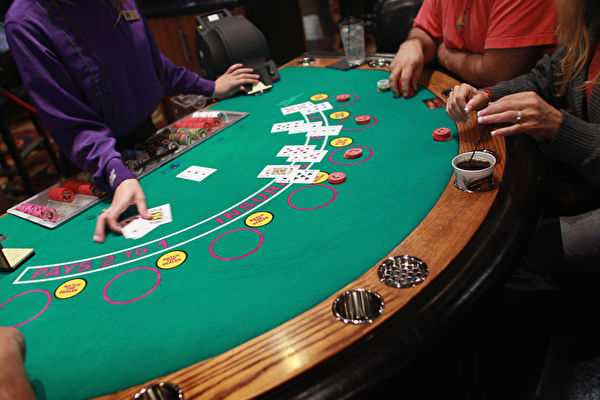
Moreover, the allure of potential rewards can often cloud judgment. Gamblers may underestimate the risks associated with their choices, leading to impulsive behavior. This psychological phenomenon is fueled by cognitive biases such as the optimism bias, where players believe they are less likely to face negative outcomes compared to others, ultimately shaping their gambling habits.
The Role of Emotions in Gambling Decisions
Emotions significantly affect gambling decisions, often guiding players towards choices that may not align with rational thinking. For instance, feelings of excitement or euphoria can lead to overconfidence, prompting gamblers to take larger risks. Conversely, fear of loss can cause individuals to withdraw or act conservatively, demonstrating the complex interplay between emotion and risk perception.
The emotional rollercoaster associated with gambling can also lead to erratic decision-making. Players might chase losses, driven by the hope of recovering what they’ve lost, which can lead to further financial strain. Recognizing these emotional triggers is essential for gamblers seeking to develop a more disciplined approach.
Cognitive Biases and Their Impact on Gambling
Cognitive biases are mental shortcuts that can distort judgment and influence decision-making in gambling. The availability heuristic, for example, can lead players to overemphasize recent wins while downplaying losses. This skewed perception fosters a false sense of security, often encouraging individuals to gamble more than they should.
Another common bias is the sunk cost fallacy, where individuals continue to gamble in hopes of recouping their previous losses. This behavior not only exacerbates financial issues but also reinforces negative gambling patterns. Understanding these biases is vital for both casual and serious gamblers to mitigate risks and foster healthier gambling habits.
The Social Context of Gambling Risks
Social influences play a crucial role in shaping gambling behaviors. Peer pressure and societal norms can significantly impact an individual’s willingness to take risks. Gamblers may feel compelled to engage in high-stakes betting to fit in with a social group, often ignoring their better judgment in the process.
The communal aspect of gambling, such as participating in betting pools or sharing stories of wins and losses, can create a sense of belonging. However, this can also lead to a normalization of risky behavior, where individuals become desensitized to the potential consequences. Being aware of these social dynamics can help gamblers make more conscious choices.

Maximizing Your Betting Experience with Informed Choices
At our website, we aim to empower sports betting enthusiasts by providing valuable insights into the psychology behind gambling decisions. Understanding the factors that influence risk perception can significantly enhance your betting experience. We offer comprehensive resources that help you navigate the complexities of gambling, enabling you to make informed choices.
Whether you are a novice bettor or an experienced player, being mindful of the psychological aspects of gambling can lead to better outcomes. Explore our expert reviews and detailed insights to find the best betting platforms tailored to your needs, ensuring that your gambling experience remains enjoyable and responsible.